The Definitive Guide to Maximize Efficiency with Agile Time Tracking

Teams rely on agile methodologies to deliver projects efficiently while remaining flexible to change. Agile time tracking is a critical aspect of this framework, ensuring that teams stay on schedule, allocate resources effectively, and improve collaboration. But what exactly is agile time tracking, and why is it so important?
This guide explores the principles of agile time tracking, its benefits, the tools you can use, and how to implement it effectively in your organization.
Agile Time Tracking to Streamline Efficiency
Benefits of Agile Time Tracking
Agile time tracking allows teams to focus on priorities by breaking projects into manageable tasks, known as sprints. By monitoring time spent on each sprint, teams can identify inefficiencies and make real-time adjustments, boosting overall productivity.
Time tracking fosters transparency among team members. Agile methodologies emphasize teamwork, and tracking time ensures every member is aligned with the project timeline, encouraging accountability and reducing misunderstandings.
With agile time tracking, managers can better allocate resources by analyzing past performance. Teams can predict workloads and ensure that critical tasks receive the necessary attention, avoiding burnout and missed deadlines.
Implementing Agile Time Tracking in Your Business
It ensures teams stay on track, adapt to changes, and deliver value continuously. Here’s how to integrate agile time management into your workflows effectively:
1. Select the Right Tools
Choose a tool that aligns with your agile framework, such as tools that integrate seamlessly with platforms like Jira, Asana, or Trello. Look for features like task timers, progress dashboards, and reporting capabilities.
2. Set Up Agile Time Tracking
Define clear objectives for time tracking, such as identifying bottlenecks or improving sprint accuracy. Align these goals with your team’s agile workflows to minimize disruption.
3. Train Teams in Agile Time Management
Educate your team on how to use the time tracking tool effectively. Conduct workshops or training sessions to ensure everyone understands its purpose and features.
Key Challenges and How to Overcome Them
Many teams struggle with tracking time consistently, especially when they perceive it as micromanagement. Additionally, poorly chosen tools can complicate workflows rather than streamline them.
To overcome these challenges, focus on selecting intuitive tools that integrate with your existing agile software. Educate your team on the purpose of time tracking, emphasizing how it benefits the entire workflow rather than individual monitoring.
Best Tools for Agile Time Tracking
Finding the right tools for agile time management can enhance your team’s efficiency and help you meet project deadlines with precision. From seamless integrations to detailed reports, the right tool will adapt to your agile workflows. Here are the top options and what to look for in a tool:
The Top Time Tracking Tools
Time tracking tools are essential for managing productivity, optimizing workflows, and gaining insights into how time is spent. Whether you’re a freelancer, a small team, or a large organization, the right tool can help you streamline operations, improve accountability, and achieve your goals. Here’s a look at some of the best time tracking tools available, each offering unique features to cater to different needs:
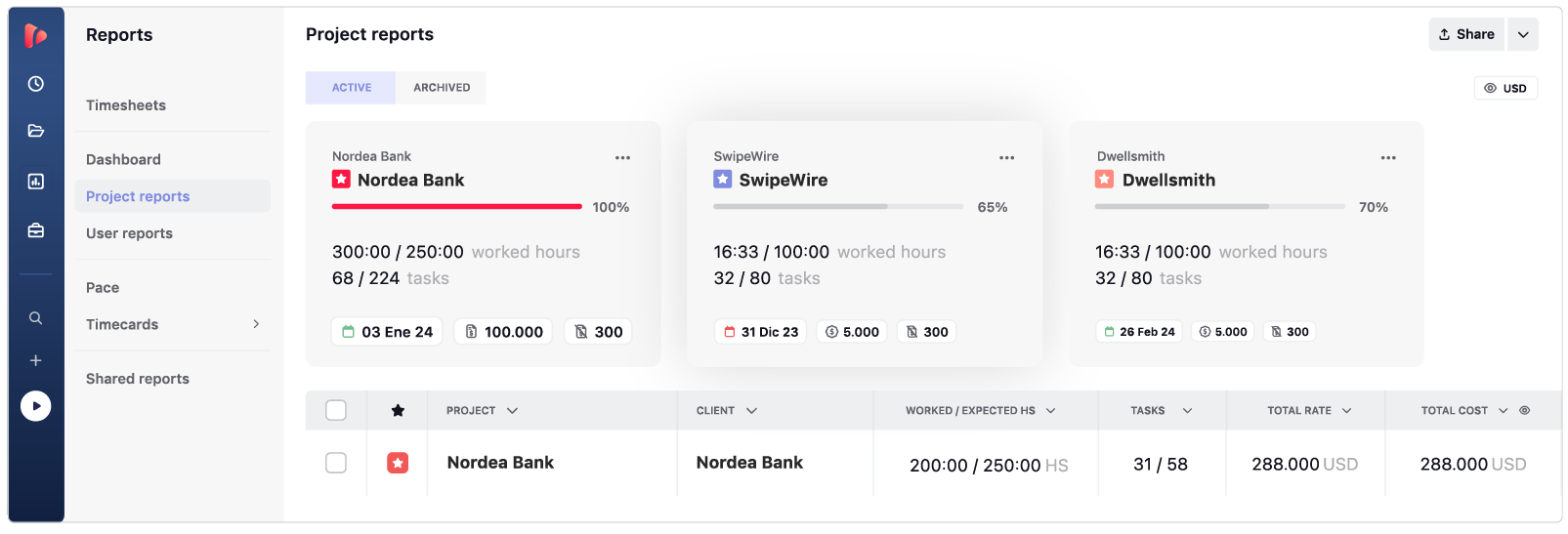
- TrackingTime – Offers robust integration with popular project management tools and real-time tracking capabilities.
- Toggl Track – User-friendly and great for visualizing project timelines.
- Clockify – Free to use and ideal for small teams starting with time tracking.
- Harvest – Excellent for teams needing detailed time reports linked to invoicing.
Features to Look for
- Integration with agile project management tools
- Task-level tracking for detailed insights
- Reporting dashboards to measure team performance
Measuring Success with Agile Time Tracking
Agile time management provides valuable insights into team performance and project efficiency. By focusing on key performance indicators (KPIs) and learning from real-world examples, you can measure its success and refine your processes for continuous improvement.
KPIs and Metrics
Key Performance Indicators (KPIs) and metrics are essential for tracking progress, measuring success, and identifying areas for improvement in any project. By analyzing these data points, teams can make informed decisions, enhance efficiency, and align their efforts with organizational goals. Below are some crucial KPIs and metrics to monitor in agile workflows:
Sprint Completion Rates
This metric assesses the number of tasks completed within the sprint timeframe. Tracking sprint completion rates helps teams identify patterns, stay on schedule, and maintain agile discipline. Regular analysis ensures that goals remain realistic and achievable while addressing any recurring challenges.
Time Allocation Accuracy
Compare the estimated time versus the actual time spent on tasks to identify discrepancies. This data is invaluable for improving future planning and resource allocation, allowing teams to fine-tune their workflows and reduce inefficiencies.
Team Velocity
This metric tracks the pace at which your team completes tasks over multiple sprints. Monitoring velocity not only highlights trends in productivity but also provides insights into your team’s capacity to take on future work, helping you balance workloads effectively.
Case Studies
A marketing team leveraged time-tracking data to identify bottlenecks in their campaign workflow. By analyzing which tasks consumed the most time, they pinpointed inefficiencies in content creation and approval processes.
After implementing targeted solutions, such as better task delegation and streamlined communication, the team boosted productivity by 30%. This improvement enabled them to execute campaigns faster, meet deadlines more consistently, and focus on creative innovation.
A software development team utilized time tracking to analyze historical data on task completion times. The insights revealed trends in task durations and dependencies, allowing the team to refine their sprint planning process. By creating more accurate time estimates and allocating resources more effectively, they improved project timelines and reduced instances of overcommitment. This data-driven approach resulted in smoother sprint execution and better team morale.
The Future of Agile Time Tracking
As businesses continue adopting agile methodologies, time tracking will play an increasingly critical role in optimizing productivity, resource allocation, and collaboration. It will evolve to incorporate advanced analytics, AI-driven insights, and seamless integrations with agile tools, making it indispensable for modern teams.
Agile time tracking is more than just monitoring hours—it’s about empowering teams to work smarter, not harder. By embracing time tracking, you can unlock new levels of efficiency and success for your business.
FAQs
What Is Agile Time Tracking, and How Does It Work?
Agile time tracking is the process of monitoring time spent on tasks within an agile project management framework. It helps teams allocate resources effectively, stay on schedule, and improve productivity by focusing on smaller, time-bound sprints or iterations.
Why Is Agile Time Tracking Important for Business Teams?
Agile time tracking ensures transparency, better resource management, and enhanced collaboration among team members. By tracking time, teams can identify inefficiencies, plan sprints more effectively, and ensure deadlines are met without overburdening members.
What Are the Benefits of Using Time Tracking in Agile Methodologies?
- Improved productivity through better planning
- Enhanced collaboration via transparent workflows
- Better allocation of resources and accurate forecasting
- Insights into team velocity and performance metrics
What Tools Are Best for Agile Time Tracking?
- TrackingTime: Seamless integration with agile project management tools
- Toggl Track: Simple and intuitive interface
- Harvest: Detailed reporting and invoicing features
- Clockify: A free tool ideal for small teams
How Do You Implement Agile Time Tracking in Your Business?
- Choose the right time tracking tool for your team.
- Set clear objectives and align them with your agile workflow.
- Train your team on how to use the tool and integrate it into daily practices.
- Monitor performance and adjust based on insights.
What Are Common Challenges Teams Face with Agile Time Tracking?
- Resistance to change or fear of micromanagement
- Selecting tools that don’t align with the agile framework
- Inconsistent usage of time tracking tools by team members
How Can Agile Time Tracking Improve Sprint Planning?
By tracking time spent on previous sprints, teams can better estimate how long future tasks will take. This data-driven approach reduces the risk of underestimating or overcommitting during sprint planning.
What Metrics Should Be Used to Measure the Success of Agile Time Tracking?
- Sprint completion rates: Are tasks completed on time?
- Time allocation accuracy: How does estimated time compare to actual time?
- Team velocity: How quickly is work being completed across sprints?
- Productivity improvements: Has efficiency increased over time?
Can Agile Time Tracking Be Used for Remote Teams?
Yes, agile time tracking is highly effective for remote teams. It helps maintain transparency, fosters accountability, and ensures everyone is aligned despite working from different locations.
How Do Agile Methodologies Influence Time Tracking Practices?
Agile methodologies emphasize iterative and incremental development, making time tracking essential for monitoring progress within short cycles. It also ensures teams remain flexible and adaptive to change while staying productive.


